 Business License

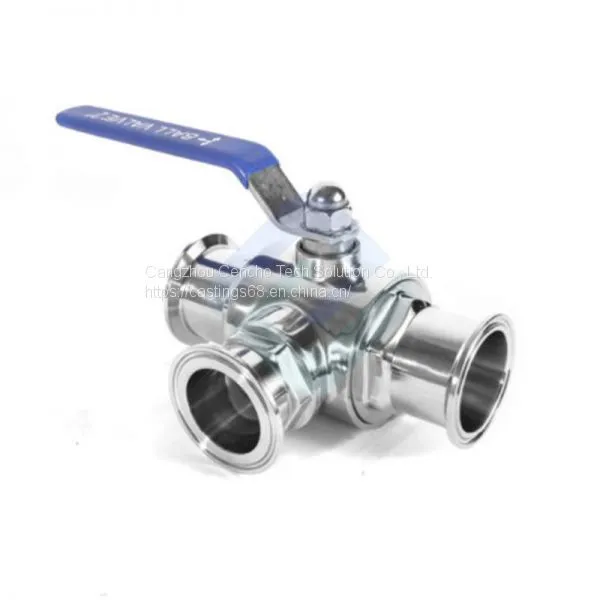
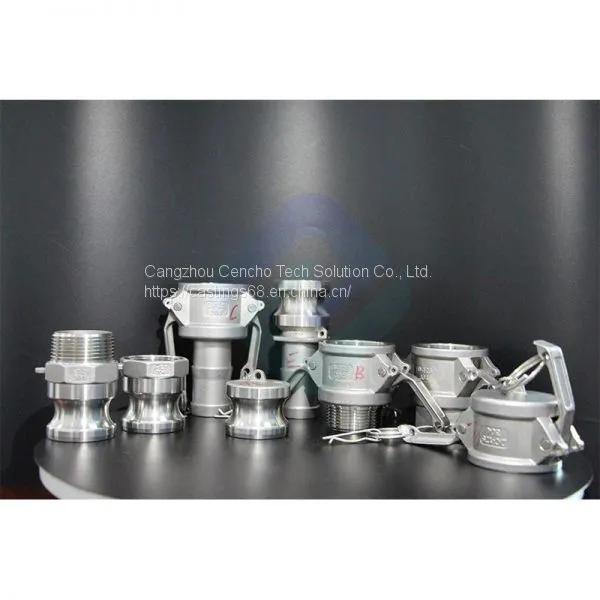
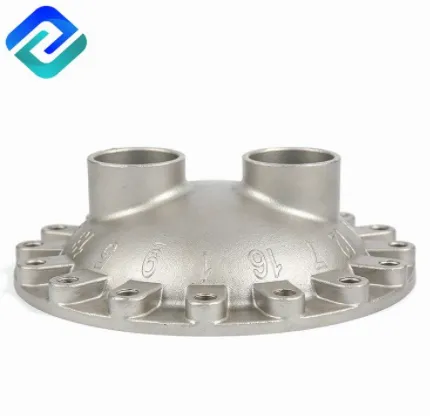
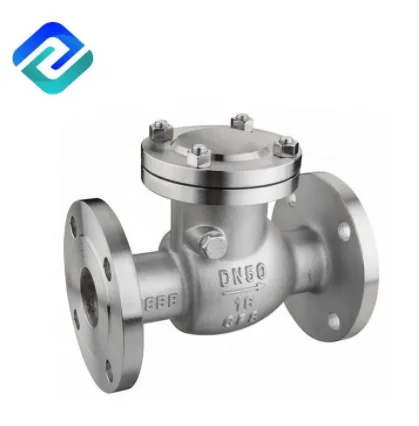
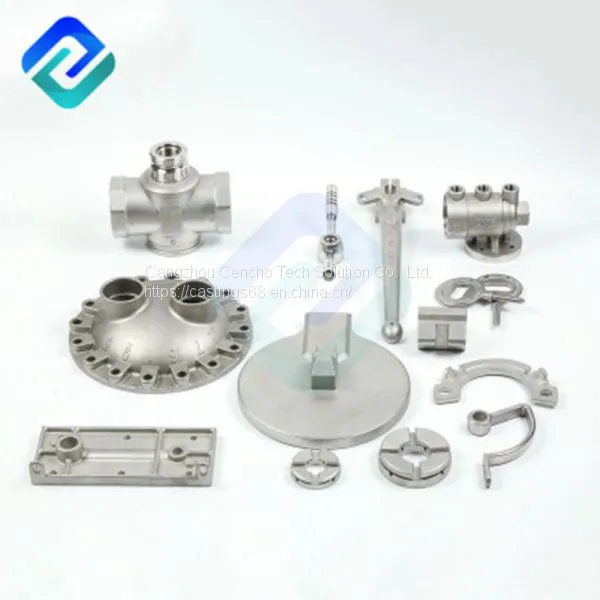
stainless steel investment casting
Investment casting is an industrial process based on lost-wax casting, one of the oldest known metal-forming techniques. The term "lost-wax casting" can also refer to modern investment casting processes.
Investment casting has been used in various forms for the last 5,000 years. In its earliest forms, beeswax was used to form patterns necessary for the casting process. Today, more advanced waxes, refractory materials and specialist alloys are typically used for making patterns. Investment casting is valued for its ability to produce components with accuracy, repeatability, versatility and integrity in a variety of metals and high-performance alloys.
The fragile wax patterns must withstand forces encountered during the mold making. Much of the wax used in investment casting can be reclaimed and reused. Lost-foam casting is a modern form of investment casting that eliminates certain steps in the process
Investment casting derives its name from the pattern being invested (surrounded) with a refractory material. Many materials are suitable for investment casting; examples are stainless steel alloys, brass, aluminium, carbon steel and glass. The material is poured into a cavity in a refractory material that is an exact duplicate of the desired part. Due to the hardness of refractory materials used, investment casting can produce products with exceptional surface qualities, which can reduce the need for secondary machine processes.
Water glass and silica sol investment casting are the two primary investment casting methods nowadays. The main differences are the surface roughness and cost of casting. Water glass method dewaxes into the high-temperature water, and the ceramic mold is made of water glass quartz sand. Silica sol method dewaxes into the flash fire, and silica sol zircon sand makes the ceramic mold. Silica sol method costs more but has the better surface than the water glass method.
The process can be used for both small castings of a few ounces and large castings weighing several hundred pounds. It can be more expensive than die casting or sand casting, but per-unit costs decrease with large volumes. Investment casting can produce complicated shapes that would be difficult or impossible with other casting methods. It can also produce products with exceptional surface qualities and low tolerances with minimal surface finishing or machining required.
Recently Posted
-
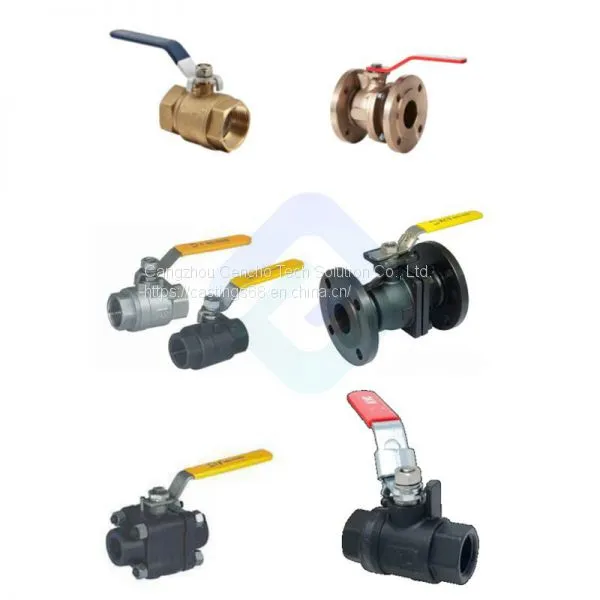
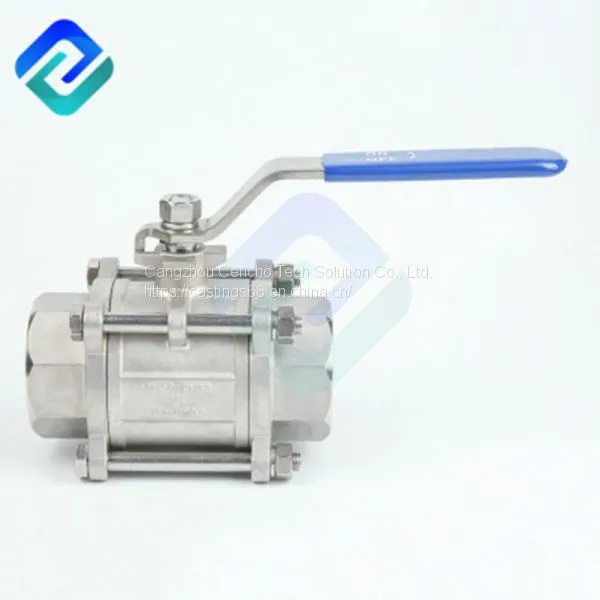
Stainless steel ball valves we can provided
February 4, 2021Stainless steel ball valves we can providedCencho Group has designed this website dedicated to supplying quality stainless ball valves at wholesale prices. We have customers in the United States, Mexico, Canada, Italy, Australia, Korea, Paraguay and The philippines in different markets such as chemical, agricultural, construction, pharmaceutical, and the food and beverage industries. Our primary focus is 1-piece, 2-piece andRead More -
Features Of Stainless Steel Ball Valve
February 4, 2021With the continuous development of stainless steel ball valve technology, it has been widely used in many industries such as petroleum, chemical industry, power generation, papermaking, atomic energy, aviation and rockets. But at the same time, Stainless Steel Ball Valve Suppliers have found that many people do not fully understand the characteristics of stainless steel ball valves, which is very detrimental to theRead More -
Classification and Application of Ball Valves
February 4, 2021The Ball Valve is mainly used to cut off, distribute and change the flow direction of the medium in the pipeline. Ball valve is a new type of valve widely used in recent years, it has the following advantages:1. The fluid resistance is small, and its resistance coefficient is equal to that of pipe sections of the same length.2. Convenient operation, rapid opening and closing, only need to rotate 90° from fully openRead More

Contact Us
Recommended Products
-
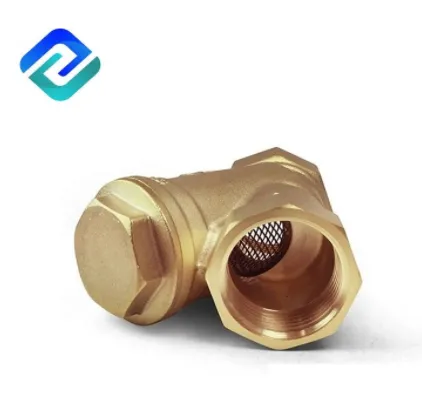
 DN15 316 Stainless Steel Brass SS Y Strainers Filter Manual Mesh InsertNegotiableMOQ: 100 Sets
 -
OEM Stainless Steel Investment Precision Casting With MachiningNegotiableMOQ: 100 Sets
-
Stainless Steel 304 Filter Flange End SS Y StrainersNegotiableMOQ: 100 Sets
-
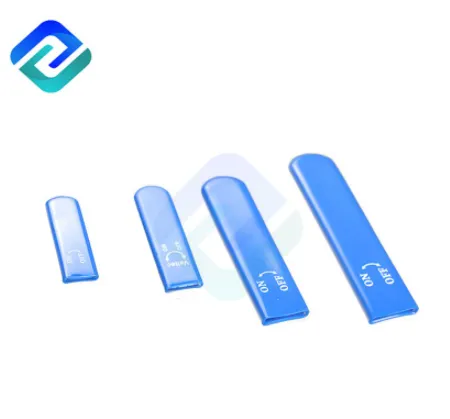
Variety of Sizes of Plastic Cover for Ball Valve Lever HandleNegotiableMOQ: 100 Sets
-
Customized Stainless Steel Investment Castings, Precision CastingsNegotiableMOQ: 100 Sets
-
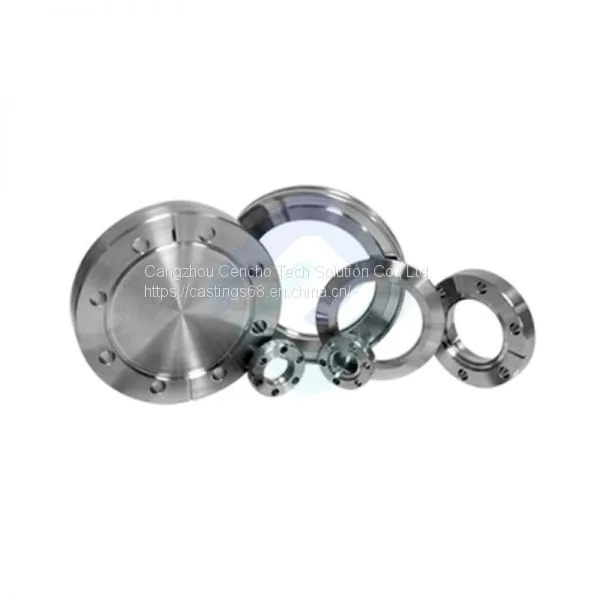
All Types of Stainless Steel Cast or Forged FlangeNegotiableMOQ: 100 Sets
-
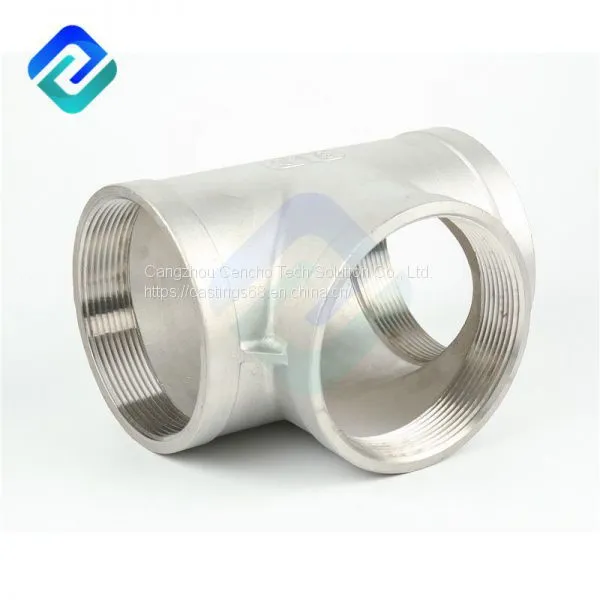
Stainless Steel Tee China ManufacturerNegotiableMOQ: 100 Sets
-
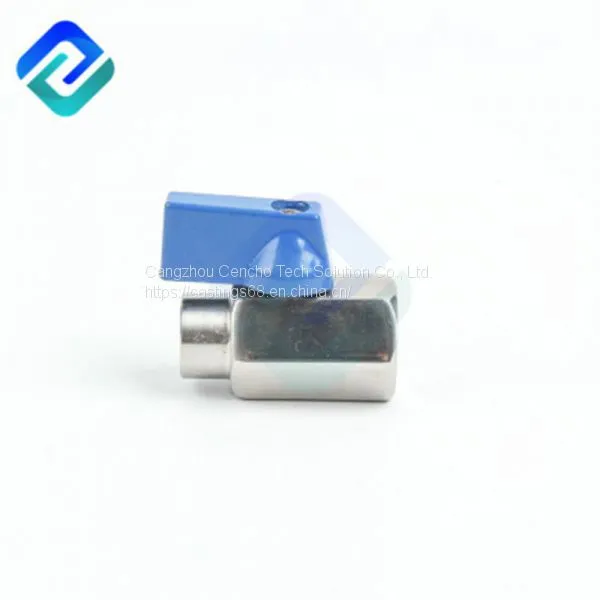
Hot Selling Stainless Steel 304 and 316 Thread BSP MINI Exagonal Ball ValveNegotiableMOQ: 100 Sets
-
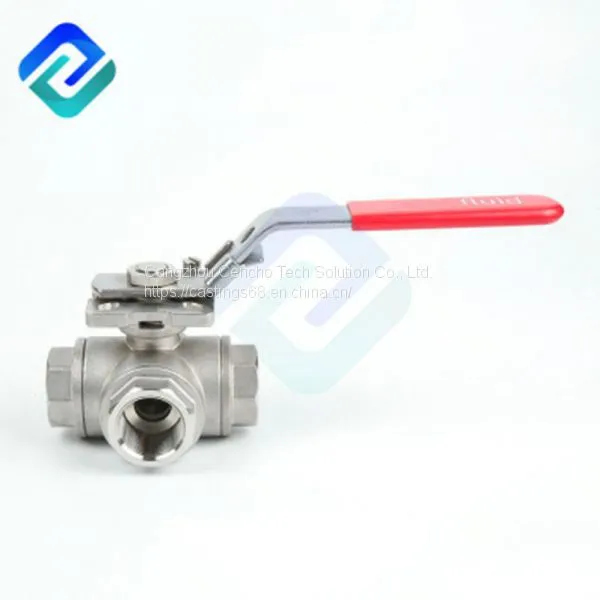
China Wholesale 1/4~4 Inch Ball Valve Stainless Steel 304 316 Three Way Ball ValveNegotiableMOQ: 100 Sets
-
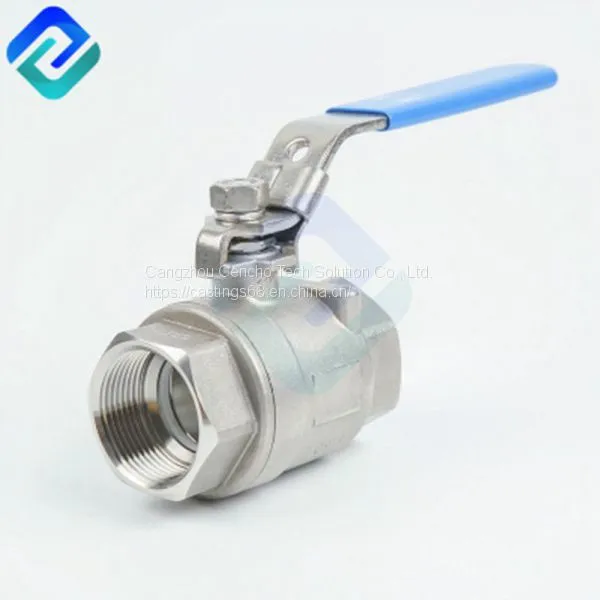
2 pc 304 316 Grade Stainless Steel Ball Valve With BSP Thread DN6~DN100NegotiableMOQ: 100 Sets
-
Stainless Steel Lever Handle for All Sizes of Ball ValveNegotiableMOQ: 100 Sets
-
Stainless Steel 1-PC Ball ValveNegotiableMOQ: 100 Sets
-
Cast Iron Ball Valve With Plate or Painting or Galvanized SurfaceNegotiableMOQ: 100 Sets
-
Precision Casting Internal Thread Globe ValveNegotiableMOQ: 100 Sets
-
Precision Casting Internal Thread Globe ValveNegotiableMOQ: 100 Sets